

Why Cold Plunge for Sore Muscles Is the Recovery Tool You Actually Need
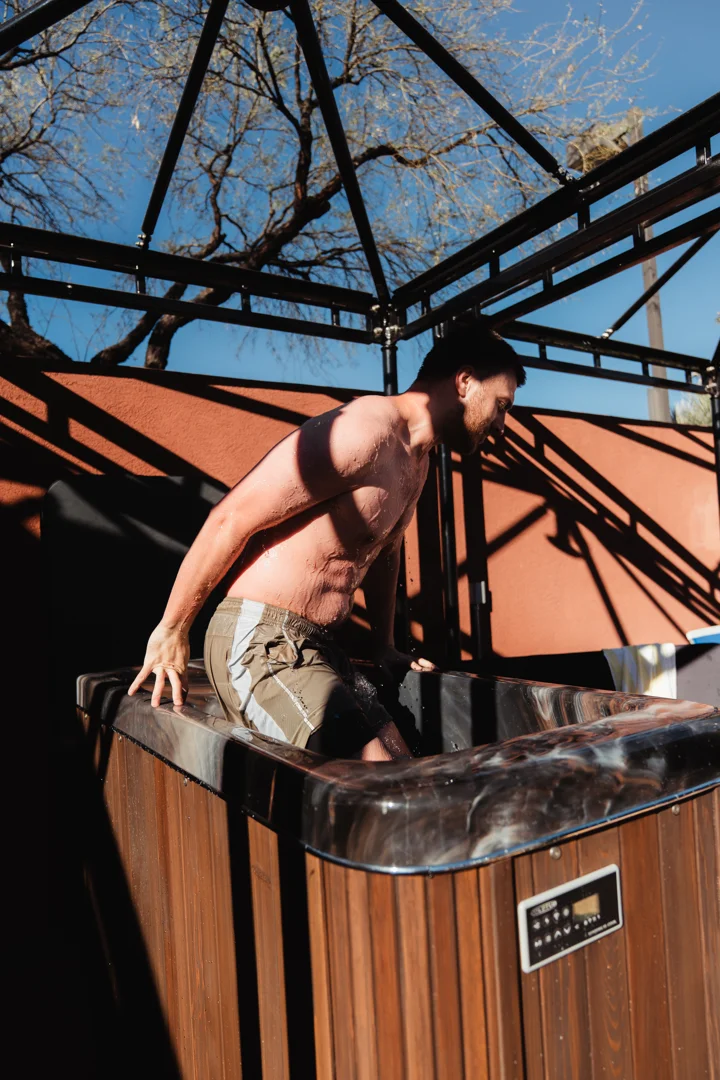
Cold plunge sore muscles relief is real, measurable, and backed by decades of sports science. If you're dealing with post-workout aches and want to know whether cold water immersion actually works, the answer is yes.
Cold plunging can help reduce soreness, manage inflammation, and support faster recovery after intense training when used correctly.
Quick Answer: Does Cold Plunging Help Sore Muscles?
Cold Plunge for Sore Muscles
The Quick-Answer Recovery Cheatsheet
You push hard in the gym. Your muscles break down. Then, usually 24 to 72 hours later, the soreness hits.
That soreness is commonly referred to as DOMS, or delayed onset muscle soreness. It is caused by microscopic damage to muscle fibers and the inflammatory response that follows. It is not lactic acid. It is not weakness. It is your body repairing itself.
The problem is that recovery can feel slow. Soreness can keep you out of the gym, drain your energy, affect sleep, and make the next training session harder than it needs to be.
Cold water immersion helps interrupt that cycle. When you submerge your body in cold water, your blood vessels constrict. This can reduce swelling, dull soreness signals, and help calm irritated tissue. When you get out, blood flow increases again, helping deliver oxygen-rich blood back to recovering muscles.
The result: less soreness, better recovery habits, and a faster return to training.
The Science of Using a Cold Plunge for Sore Muscles
To understand why a cold plunge for sore muscles can be so effective, it helps to look at what happens beneath the skin when your body is exposed to cold water.
Vasoconstriction and Blood Flow
When you enter a cold plunge, your body responds quickly. Blood vessels near the surface of the skin tighten, a process called vasoconstriction. This helps reduce blood flow to inflamed areas and can limit swelling after hard workouts.
Once you exit the water, your blood vessels begin to open back up. This return of circulation may help move fluid, deliver nutrients, and support the recovery process. This is one reason athletes use cold water immersion after intense training, competition, or high-volume workout blocks.
For a deeper breakdown, read more about how an ice bath speeds up recovery after a workout.
Hydrostatic Pressure
Cold plunges do more than expose the body to cold. Full-body immersion also creates hydrostatic pressure. Because water surrounds the body evenly, it applies gentle pressure that may help move fluid from the tissues back toward circulation and the lymphatic system.
This is one major difference between a cold shower and a true cold plunge. A shower only hits parts of the body at once. A cold tub surrounds the body with controlled, consistent cold water.
Muscle Damage and the Inflammatory Response
After hard training, your body produces an inflammatory response as part of the repair process. Some inflammation is useful, especially if your goal is muscle growth. But too much lingering soreness can interfere with training quality and consistency.
Cold water immersion may help reduce perceived soreness and support recovery by lowering tissue temperature, decreasing swelling, and calming the nervous system. You can read more about why athletes use ice baths for recovery.
Optimal Protocols: Temperature, Timing, and Duration
Getting the most out of your cold plunge sore muscles routine requires more than jumping into cold water. The best protocol depends on your goals, tolerance, and training style.
Protocol Guide
Cold Plunge Protocol by Level
For more structured recovery guidance, read about the 15 minute recovery method ice bath recovery.
Timing Your Cold Plunge for Strength vs. Endurance
When you cold plunge matters. If your main goal is building muscle, avoid plunging immediately after lifting — cold exposure may blunt some of the inflammatory signaling that supports muscle adaptation, so waiting several hours is usually the better move. If your goal is to reduce soreness and feel ready for another session, cold plunging soon after endurance work can be highly effective. For general wellness, use cold plunging at whatever time of day you can stay consistent with.
Understanding this difference helps answer the larger question: do cold tubs work? They can, but they work best when used with the right goal in mind.
How Often to Use a Cold Plunge for Sore Muscles
Consistency matters more than extreme cold. Most people do not need to chase the coldest possible temperature — a better approach is to build a repeatable routine you can safely maintain. For most users, 2 to 5 sessions per week is enough to support recovery and manage soreness without overstressing the body.
Comparing Recovery Modalities: Why Dedicated Tubs Win
Cold showers can be a good entry point, but they are not the same as full-body immersion. In a shower, water only contacts parts of the body at once. In a cold plunge, the body is surrounded by cold water, creating a more complete and consistent exposure that targets the areas most commonly sore after training — legs, hips, back, and shoulders. This is one reason cold plunging is so effective for what helps sore muscles after a workout.
Head-to-Head
ColdTub vs. Traditional Ice Bath
Safety First: Risks and Contraindications
While the benefits of a cold plunge for sore muscles can be significant, cold exposure is still a stressor on the body. Cold water can cause a quick increase in heart rate, breathing rate, and blood pressure. Anyone with heart disease, high blood pressure, Raynaud's disease, peripheral neuropathy, or other cardiovascular concerns should speak with a medical professional before starting cold plunging.
Light shivering can be normal. Intense, uncontrollable shivering is a sign that you should get out and warm up. If you feel dizzy, confused, numb, or unable to control your breathing, exit the water immediately. Always rewarm gradually with dry clothes, light movement, and a warm environment.
Frequently Asked Questions About Cold Plunging
Does cold plunging interfere with muscle growth?
It can if done immediately after strength training on a regular basis. If your main goal is hypertrophy, wait several hours after lifting before using a cold plunge. If your main goal is reducing soreness or recovering between events, cold plunging sooner may make more sense.
What is the best temperature for sore muscles?
A common recovery range is 50°F to 59°F — cold enough to create a meaningful response without being unnecessarily extreme for most users.
How long should I stay in the water?
Beginners should start with 1 to 3 minutes. More experienced users may work up to longer sessions, but most people do not need to exceed 10 to 12 minutes in a single plunge. Cold exposure should be challenging but controlled.
Is a cold plunge better than an ice bath?
A traditional ice bath can work, but a dedicated cold plunge is more convenient, more repeatable, and easier to use consistently. The biggest advantage is removing friction from the routine so you actually do it every time.
Conclusion: Elevate Your Recovery with ColdTub
A cold plunge for sore muscles can be one of the most effective additions to a serious recovery routine. It helps manage soreness, supports consistency, and gives athletes and everyday fitness enthusiasts a practical way to recover between hard sessions. Match your timing to your goals, start gradually, stay consistent, and make sure your setup is easy enough to use regularly.


